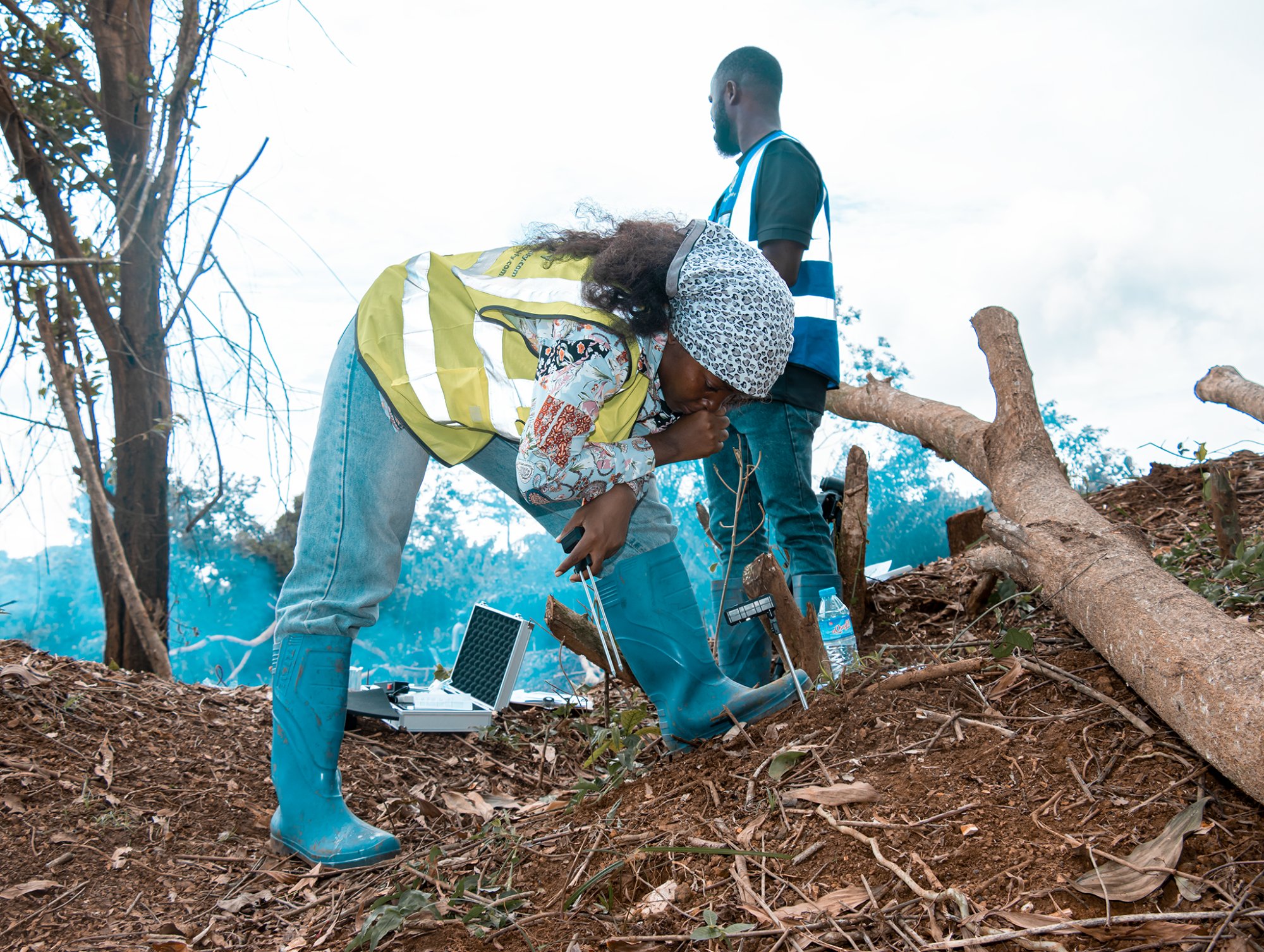
Field Assessment
We go to where the problem exists — and build solutions on-site
Up to 40% of crops grown by West African smallholder farmers are lost before reaching market — to spoilage, poor storage, and lack of processing. This is the problem we are built to solve.
Across sub-Saharan Africa, smallholder farmers face a devastating paradox: they work the land to grow food, yet up to 40% of that harvest is lost before it ever reaches a customer. The culprits are well-known — lack of cold storage, poor roads, inadequate processing facilities, and inefficient packaging.
This post-harvest loss doesn't just hurt farmers' incomes. It deepens food insecurity, drives rural poverty, and contributes to unnecessary carbon emissions from decomposing organic waste.
Without refrigeration, perishable crops like tomatoes, cassava leaves, and fruits spoil within days of harvest in tropical climates.
Farmers lack access to milling, drying, and value-addition equipment that would extend shelf life and open export markets.
Inadequate packaging accelerates spoilage during transport, reducing market value and increasing physical losses.
Every kg of spoiled produce represents lost income for a family that may have spent months cultivating it.
Decomposing food waste releases methane — a potent greenhouse gas that accelerates climate change.
Persistent crop losses trap farming families in cycles of poverty, limiting investment in next season's crops.
AgriSustainify has developed a suite of practical, solar-powered tools that address each of these challenges directly.
See Our Solutions ›